

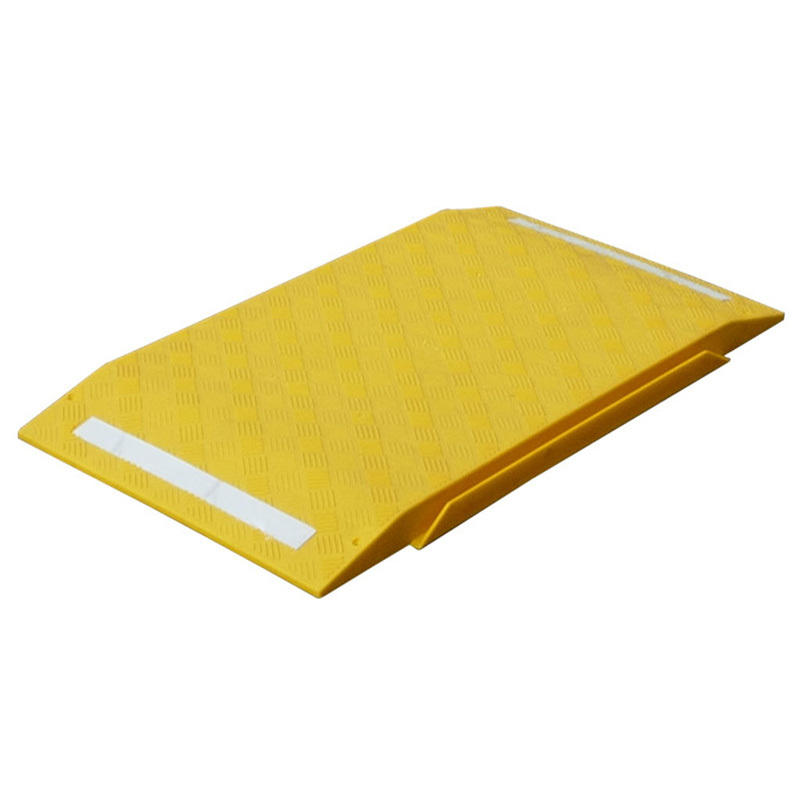
UHMWPE Shaped Parts for Pharmaceutical Equipment
Introduction
Ultra-High Molecular Weight Polyethylene (UHMWPE) is a high-performance engineering plastic widely used in pharmaceutical equipment due to its exceptional mechanical properties, chemical resistance, and biocompatibility. UHMWPE shaped parts, including gears, bearings, seals, and liners, play a crucial role in ensuring the efficiency, safety, and compliance of pharmaceutical manufacturing processes.
This article explores the properties of UHMWPE, its advantages in pharmaceutical applications, common shaped parts used in the industry, and key considerations for material selection and design.
---
Properties of UHMWPE
UHMWPE is a thermoplastic polymer with a molecular weight typically ranging from 3 to 6 million g/mol, significantly higher than standard polyethylene. This unique structure provides the following key properties:
1. High Wear Resistance
UHMWPE exhibits outstanding abrasion resistance, making it ideal for components subjected to friction, such as bearings and gears.
2. Low Coefficient of Friction
Its self-lubricating properties reduce the need for external lubricants, minimizing contamination risks in pharmaceutical processing.
3. Chemical Resistance
UHMWPE is resistant to most acids, alkalis, and solvents, ensuring durability in harsh cleaning and sterilization environments.
4. Impact Strength
It absorbs shock and resists cracking, even at low temperatures, enhancing equipment longevity.
5. Biocompatibility
UHMWPE is non-toxic and FDA-compliant, making it suitable for applications involving direct or indirect contact with drugs.
6. Non-Stick Properties
Its smooth surface prevents material buildup, reducing downtime for cleaning and maintenance.
---
Applications of UHMWPE Shaped Parts in Pharmaceutical Equipment
1. Gears and Bushings
UHMWPE gears and bushings are used in tablet presses, packaging machines, and conveyor systems due to their low friction and wear resistance.
2. Bearings and Rollers
These components reduce friction in moving parts, improving efficiency and reducing energy consumption.
3. Seals and Gaskets
UHMWPE seals provide leak-proof performance in pumps, valves, and fluid transfer systems while resisting aggressive cleaning agents.
4. Liners and Chutes
Used in hoppers and material handling systems, UHMWPE liners prevent material adhesion and facilitate smooth flow.
5. Cutting Blades and Guides
UHMWPE’s toughness makes it suitable for precision cutting applications in tablet and capsule production.
6. Wear Strips and Guides
These parts protect equipment from abrasion in high-friction areas, extending service life.
---
Advantages of UHMWPE in Pharmaceutical Equipment
1. Reduced Contamination Risk
Unlike metals, UHMWPE does not corrode or shed particles, ensuring product purity.
2. Lower Maintenance Costs
Its self-lubricating nature and wear resistance reduce the need for frequent replacements.
3. Compliance with Regulatory Standards
UHMWPE meets FDA, USP Class VI, and EU 10/2011 standards for pharmaceutical applications.
4. Lightweight and Easy to Install
UHMWPE parts are lighter than metal alternatives, simplifying equipment assembly and reducing structural load.
5. Resistance to Sterilization Methods
It withstands autoclaving, gamma radiation, and chemical sterilization without degradation.
---
Design and Manufacturing Considerations
1. Material Selection
- Virgin vs. Reprocessed UHMWPE: Virgin material is preferred for critical pharmaceutical applications to ensure purity.
- Additives: Some formulations include stabilizers for enhanced UV or thermal resistance.
2. Precision Machining
UHMWPE can be CNC-machined, laser-cut, or molded into complex shapes with tight tolerances.
3. Surface Finishing
A smooth finish minimizes bacterial adhesion and simplifies cleaning.
4. Thermal Expansion Management
UHMWPE expands slightly with temperature changes, requiring proper clearance in dynamic applications.
5. Load and Stress Analysis
Engineers must ensure that UHMWPE parts can withstand operational stresses without deformation.
---
Challenges and Limitations
1. Temperature Sensitivity
UHMWPE softens above 80°C (176°F), limiting its use in high-temperature processes.
2. Creep Under Continuous Load
Prolonged stress can cause gradual deformation, necessitating reinforced designs for heavy-duty applications.
3. Limited Adhesion Properties
Special techniques are required for bonding UHMWPE to other materials.
4. Higher Cost Than Standard Plastics
While more expensive than HDPE or PTFE, UHMWPE’s durability justifies the investment.
---
Future Trends
1. Advanced Composites
Blending UHMWPE with carbon fiber or nanoparticles may enhance thermal and mechanical properties.
2. 3D Printing of UHMWPE Parts
Emerging additive manufacturing techniques could enable rapid prototyping of custom components.
3. Smart Coatings
Antimicrobial coatings may further improve hygiene in pharmaceutical processing.
4. Sustainability Initiatives
Recycling and reprocessing methods are being developed to reduce waste.
---
Conclusion
UHMWPE shaped parts are indispensable in pharmaceutical equipment, offering unmatched wear resistance, chemical inertness, and regulatory compliance. By understanding their properties, applications, and design considerations, manufacturers can optimize performance while ensuring product safety and operational efficiency.
As material science advances, UHMWPE will continue to evolve, further solidifying its role in the pharmaceutical industry.
---
This article provides a comprehensive overview of UHMWPE in pharmaceutical applications while avoiding promotional content. Let me know if you'd like any modifications or additional details.
يستخدم هذا الموقع ملفات تعريف الارتباط لضمان حصولك على أفضل تجربة على موقعنا.

 English
 Pусский
 中文
中文



 هاتف
هاتف
تعليق
(0)